Green Thin Leaves: A Designer's Business Review
As a professional embroidery designer who has spent years refining brand identity for small businesses, I approach every new digital file with a critical eye. When evaluating a design like Green Thin Leaves, my goal is not just to see if it looks pretty, but to determine if it holds up under the rigors of commercial production. This specific design falls into the Single Flowers category, yet its application extends far beyond simple floral decoration. It is positioned as a versatile asset for small business merch, branded patches, and custom apparel. In this review, I will break down how this machine embroidery design performs in real-world scenarios, from boutique branding to staff uniforms.
First Impressions: Elegance Meets Versatility
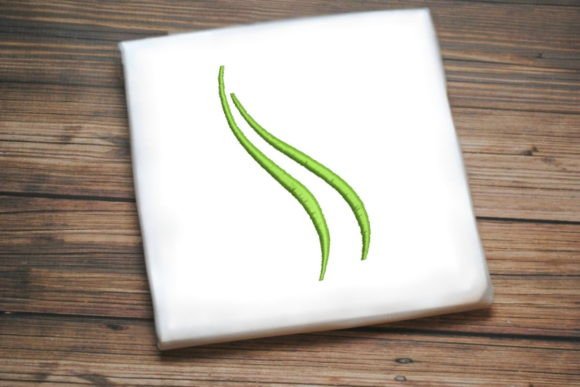
The moment I open the preview for Green Thin Leaves, the aesthetic is immediately clear. The description promises a look that is "elegant and gorgeous," and the visual structure delivers on that promise. The thin, delicate lines suggest a modern, organic feel that aligns perfectly with brands focusing on nature, sustainability, or artisanal quality. Unlike heavy, blocky logos that can feel corporate and stiff, this design feels friendly and approachable. For a handmade brand or a local café, this visual personality is crucial. It suggests care and attention to detail without overwhelming the garment.
However, elegance in embroidery often comes with challenges regarding stitch density and fabric choice. Because the leaves are described as "thin," there is a risk of the design looking sparse if not stitched correctly. My first instinct as a designer is to assess whether the line weight is sufficient to survive frequent washing and wear. If the lines are too fine, they might break down over time, compromising the perceived value of the finished product. Yet, if executed with the right thread colors and stabilizer, this design offers a premium look that elevates any item it adorns.
Real-World Applications for Small Businesses
When considering Green Thin Leaves for a client's portfolio, I visualize several high-impact use cases. This design is particularly well-suited for businesses that want to add a touch of sophistication without dominating the visual space. Here is how I see this embroidery file performing across different merchandise categories:
- Staff Uniforms and Aprons: For a bakery, florist, or boutique, a small chest logo accent using Green Thin Leaves adds a cohesive touch to apron embroidery. It signals professionalism while maintaining a rustic, handmade charm. Placed on the pocket of a chef's coat or the bib of an apron, it becomes a subtle brand marker that customers notice upon closer inspection.
- Branded Patches: Creating an embroidered patch from this design allows for maximum versatility. A small business can sew these patches onto denim jackets, tote bags, or backpacks. The organic shape of the leaves works beautifully on curved surfaces, making it an excellent candidate for cap embroidery on the side panel rather than the front, where space is limited.
- Tote Bag Design: As eco-friendly packaging gains popularity, a tote bag featuring this single flower motif serves as a walking billboard. The design is large enough to be seen but delicate enough to not clash with other printed graphics on the bag.
- Product Labels and Accents: For handmade soaps, candles, or textiles, a small version of Green Thin Leaves can serve as a woven label or a direct embroidery on the packaging tag. This reinforces the brand identity and assures the customer of the product's quality.
Critical Considerations for Production
While the potential is high, there are specific areas where caution is required. As a designer, I must warn against blindly scaling this design without testing. The "thin" nature of the leaves means that at very small sizes, such as on a tiny button or a narrow cuff, the details may get lost or become tangled during stitching. It is essential to check the minimum size recommendation before committing to a run of custom apparel.
Furthermore, the choice of fabric texture plays a significant role. On a smooth cotton shirt, Green Thin Leaves will likely look crisp and defined. However, on a thick, textured wool sweater or a napped fleece, the thin lines might struggle to stand out. In these cases, using a contrasting thread color becomes mandatory to ensure visibility. Similarly, dark uniforms require careful planning; a light green leaf on black fabric needs high contrast to avoid looking muddy. Always test the design on the actual fabric intended for production to verify the outcome.
Impact on Brand Identity and Customer Trust
Using a high-quality machine embroidery design like Green Thin Leaves directly influences how customers perceive a brand. Embroidery inherently conveys durability and value compared to screen printing. When a customer sees a well-executed floral motif on a tote bag or a uniform, it signals that the business invests in quality. This builds trust and recognition. For Etsy sellers and craft business owners, offering products with unique design assets sets them apart from mass-market competitors.
Consistency is key. If you use this design across your caps, aprons, and gift items, you create a unified visual language. This consistency helps in building a recognizable brand image. The organic feel of the leaves can also evoke emotions of freshness and growth, which is perfect for wellness brands, gardening shops, or organic food markets. The design acts as a silent ambassador for your values, enhancing buyer engagement through visual storytelling.
Practical Designer Notes for Implementation
To ensure success when integrating Green Thin Leaves into your workflow, follow these practical steps derived from professional experience:
- Test in Black and White First: Before selecting vibrant greens, run a test stitch in a neutral color. This helps you evaluate the stitch path and density without the distraction of color. Ensure the thin lines do not break or leave gaps.
- Verify Hoop Size and Stabilizer: Check the required hoop size for the design. Even small designs need adequate support. Use a tear-away or cut-away stabilizer appropriate for your fabric to prevent puckering, especially on lightweight materials.
- Inspect Spacing and Density: Review the stitch density settings. If the design is too dense, it may cause stiffness; too sparse, and it may look unfinished. Adjust tension settings based on your specific machine and thread type.
- Create Printable Mockups: Before sending files to a decorator or starting a bulk order, generate a printable mockup showing the design on the actual product. This allows for client approval and ensures the scale looks correct in context.
- Confirm Commercial Licensing: Always confirm the licensing terms of the digital embroidery file. Ensure you have the rights to use Green Thin Leaves for commercial embroidery projects, including selling finished goods. Do not assume personal use licenses cover business applications.
- Compare with Other Assets: Place this design next to your existing logos or other design assets. Does it complement your current style? Does it clash? Visual harmony is essential for a professional presentation.
In conclusion, Green Thin Leaves is a promising addition to any small business owner's toolkit. Its elegant simplicity makes it a strong contender for commercial embroidery projects that require a touch of nature-inspired sophistication. By following proper testing protocols and understanding its limitations on different fabrics, you can leverage this design to create high-value, memorable merchandise that strengthens your brand presence.