Green Leaf Border: A Designer's Real-World Review
As a designer who spends countless hours evaluating machine embroidery design assets for both personal passion projects and client commissions, I approach every new file with a critical eye. The market is flooded with generic patterns, but finding a versatile motif that elevates a handmade product from good to exceptional is rare. Today, I am putting the Green Leaf Border through its paces. This isn't just about whether the file loads; it is about how this endless border performs when translated from a digital screen into tangible thread on fabric.
The First Impression: Mood and Visual Personality
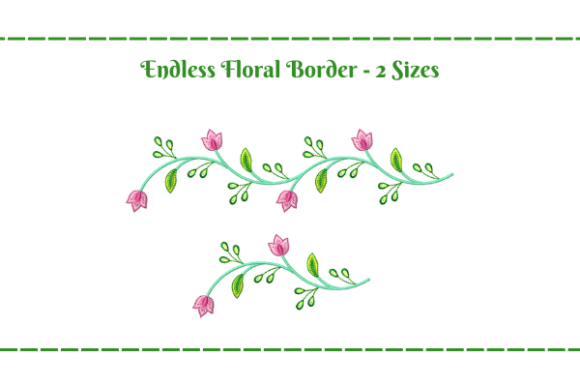
When I first opened the preview of the Green Leaf Border, the immediate feeling was one of organic flow. Unlike rigid geometric borders that can feel stiff or dated, this design captures the natural movement of foliage. The visual personality suggests freshness and vitality, making it an instant candidate for spring collections or nature-themed home decor. The layout appears balanced, offering enough negative space to prevent the stitching from looking cluttered while maintaining a strong visual rhythm. For an Etsy seller or a boutique owner, this kind of aesthetic versatility is crucial. It does not scream "trendy" in a way that will date quickly; instead, it feels timeless, which is exactly what you want when investing time into a finished product.
A Real-Life Scenario: The Custom Tote Bag Project
To truly understand the utility of this embroidery file, let's imagine a specific project. I am preparing a line of premium canvas tote bags for a local craft fair. These aren't just grocery carriers; they are statement pieces for eco-conscious shoppers. I envision placing the Green Leaf Border along the bottom hem of the bag. The challenge here is ensuring the design remains legible and aesthetically pleasing after being stitched onto a textured, medium-weight cotton canvas.
In my mind's eye, the fill stitch areas of the leaves need to be dense enough to cover the weave of the canvas without creating a puckered mess. If the stitch density is too low, the rough texture of the canvas will show through, ruining the professional look. Conversely, if it is too high, the fabric might warp. The Green Leaf Border seems designed with this balance in mind, but as any experienced maker knows, theory must be tested against reality. The continuous nature of the border allows me to repeat the pattern seamlessly around the circumference of the bag, creating a cohesive frame that draws the eye upward toward any central logo or text.
Performance Across Different Fabrics and Products
Beyond the tote bag, where else does this embroidery project shine? I see immense potential in custom apparel, particularly on the cuffs of sweatshirts or the hems of aprons. For a sweatshirt embroidery project, the softness of the fleece requires careful consideration of the stabilizer. The flowing lines of the Green Leaf Border would look elegant on a heavy garment, adding a touch of sophistication that plain logos often lack.
Home decor is another strong contender. Imagine this border running along the edge of a linen curtain or framing a cushion cover. On lighter fabrics like bedsheets or tablecloths, the delicate details of the leaves could become a focal point. However, this brings us to a critical point: the design must hold up under scrutiny. A customer buying a personalized pillow cover expects crisp edges and vibrant thread colors. If the running stitch outlines are too thin, they might get lost on a busy fabric pattern. The Green Leaf Border needs to be bold enough to stand out but refined enough to complement the background material.
For those creating holiday embroidery items or wedding gifts, this border offers a neutral yet celebratory backdrop. It works beautifully for baby embroidery on blankets or bibs, provided the thread quality is safe and soft. The organic shape feels gentle and welcoming, perfect for nursery decor. In a commercial setting, such as branding for a small shop product, using this border on packaging tags or promotional caps can significantly boost brand recognition and perceived value.
Critical Considerations for Professional Results
While the Green Leaf Border looks promising, there are scenarios where caution is required. I strongly advise against using this design on extremely stretchy fabrics without a cutaway stabilizer. The tension of the stretch can distort the intricate leaf shapes, turning a beautiful border into a wavy mess. Similarly, on very dark fabrics, the contrast becomes vital. If the design relies heavily on light green threads, it may disappear against a black background unless backed by a white underlay or used with high-sheen metallic threads.
Another area of concern is the hoop size. As an endless border, it implies repetition. You must ensure your machine hoop can accommodate the width of the repeated segment comfortably. Trying to force a wide border into a small hoop will result in registration errors and uneven stitching. Additionally, curved surfaces like caps present a unique challenge. The flat nature of most digital embroidery files means the design must be adjusted or carefully positioned to avoid distortion on the dome of a hat. Detailed corners in the leaf tips might also require extra attention during digitizing to ensure they don't break or fray over time.
Practical Notes for Designers and Makers
If you are considering the Green Leaf Border for your next venture, follow these practical steps to ensure success:
- Test on Scrap Fabric First: Never skip this step. Stitch a sample on the exact fabric you plan to use. Check for puckering, thread breaks, and overall clarity.
- Review Stitch Density: Inspect the back of the test stitch. If it looks like a solid block of thread, you may need to reduce density to prevent stiffness.
- Check Thread Color Contrast: Ensure the greens pop against your chosen background. Test both light and dark fabric backgrounds to see how the embroidery design translates.
- Confirm Licensing: Before selling finished items or digital products, verify the license terms. Some designs allow personal use only, while others permit commercial sales of physical goods.
- Use Proper Stabilizer: Match the stabilizer to the fabric weight. A tear-away might suffice for stable cotton, but a knit fabric demands a flexible option.
- Create Printable Mockups: Use printable mockup tools to visualize how the border looks on different products before committing to expensive materials.
Final Verdict: Elevating Your Craft Business
The Green Leaf Border is more than just a decorative element; it is a tool for enhancing the perceived value of your work. When executed correctly, it adds a layer of professionalism and artistry that separates a hobbyist from a pro. Whether you are crafting a personalized gift for a loved one or building inventory for your online store, this design offers the flexibility to adapt to various styles and mediums.
However, remember that the quality of the final outcome depends as much on your technique as it does on the file itself. Pay attention to the fabric texture, choose the right stabilizer, and always prioritize precision. By treating the Green Leaf Border with the respect it deserves, you can create stunning commercial embroidery pieces that customers will love and return to again and again. For any serious crafter or small business owner looking to expand their design assets, this border is a worthy addition to your library, provided you take the time to master its application.