Red Spiky Wings: A Designer's Real-World Review
As a designer who has spent years navigating the gap between digital files and physical stitched products, I approach every new machine embroidery design with a critical eye. The market is flooded with generic patterns, but occasionally, a file arrives that sparks immediate creative possibilities. Red Spiky Wings is one such design. At first glance, it appears to be a bold, energetic motif inspired by avian flight, yet its utility extends far beyond a simple decorative element. Before I commit this pattern to a client project or my own boutique line, I need to understand how it translates from screen to fabric.
First Impressions: Mood and Visual Impact
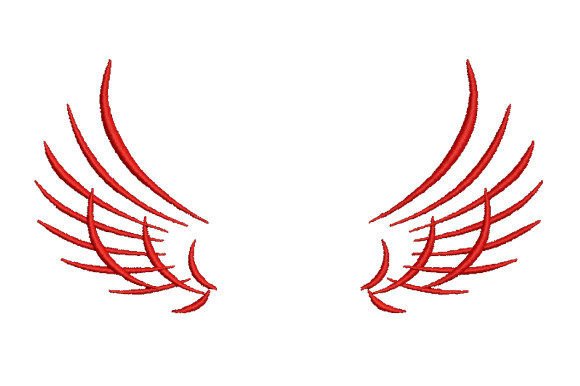
The moment I load the embroidery file into my digitizing software, the visual personality of Red Spiky Wings becomes clear. It is not a delicate, flowing wing; it is sharp, angular, and dynamic. The "spiky" nature suggests movement and energy, creating a mood that is both fierce and protective. This makes it an excellent candidate for a team logo or a statement piece on custom apparel. Unlike traditional floral borders that soften a garment, this design adds attitude.
For a small business owner or Etsy seller looking to differentiate their brand, this kind of visual punch is invaluable. When I imagine this as a tote bag design, the red thread against a neutral canvas creates an instant focal point. It feels modern and slightly edgy, moving away from the cutesy aesthetic often found in craft fairs. However, the true test lies in how the stitch construction handles those sharp angles during the actual stitching process.
Testing the Design: From Screen to Sweatshirt
To truly evaluate Red Spiky Wings, I visualize a real-life scenario: preparing a limited run of heavyweight sweatshirts for a local sports team or a streetwear pop-up shop. The description notes that this unique embroidery can serve as a frame or border, which opens up interesting layout options. Instead of centering the wings on the chest, I could envision them framing a pocket or running along the sleeve cuff.
In a sweatshirt embroidery context, the density of the fill stitch becomes crucial. If the spikes are too thin, they might get lost in the texture of the fleece. Conversely, if the stitch density is too high, the fabric could pucker, ruining the drape of the garment. As I review the preview, I notice the interplay between the satin stitches defining the edges and the fill stitches creating the body of the wing. This combination usually ensures durability, which is vital for items that will undergo frequent washing.
I also consider its potential as an embroidered patch. The defined edges of the spiky wings would likely cut cleanly from the backing material, making it perfect for iron-on patches sold as handmade products. These patches could be marketed as add-ons for denim jackets, backpacks, or even baby strollers, offering a way for parents to personalize gear with a touch of bold character.
Where Caution is Required
While Red Spiky Wings is versatile, it is not a universal solution. There are specific scenarios where this design requires careful handling. For instance, using it on stretchy fabrics like jersey knit or thin silk demands a heavy-duty stabilizer. Without proper support, the tension from the dense red thread could cause the fabric to warp or the design to distort over time.
Furthermore, the intricate points of the spikes present a challenge on curved surfaces like caps. Embroidering sharp angles on a rounded crown often results in uneven stitching or skipped threads at the tips. If you plan to use this for cap embroidery, you may need to adjust the angle or simplify the smallest spikes to ensure a clean finish. Similarly, on dark fabrics, the red thread needs to be opaque enough to show through without bleeding into the background. Always test the thread colors on a scrap piece of your intended fabric before committing to a full production run.
Commercial Viability and Brand Consistency
For creative entrepreneurs and digital product sellers, the question isn't just about aesthetics; it's about value. Does Red Spiky Wings elevate the perceived quality of the finished product? In my experience, yes. A well-executed, complex design signals professionalism. When a customer receives a personalized gift featuring this level of detail, the tactile experience reinforces the idea that the item was crafted with care.
This design fits seamlessly into a strategy for commercial embroidery projects. Whether you are building a line of holiday gifts, wedding favors, or corporate merchandise, the ability to adapt a single motif into a logo, a border, or a standalone graphic increases the return on investment for the embroidery file. It allows for consistency across different product types while maintaining a distinct brand identity.
However, remember that licensing matters. Before selling any finished items or digital assets derived from this pattern, confirm the license terms. Many designers offer personal use licenses that restrict commercial sales. Ensuring you have the right to sell products made with Red Spiky Wings protects your business from legal issues and builds trust with your customers.
Practical Designer Notes for Success
If you decide to incorporate Red Spiky Wings into your workflow, here are a few practical steps to ensure success:
- Test on Scrap Fabric: Never skip the test run. Stitch the design on the exact fabric and stabilizer combination you plan to use. Check for puckering, especially around the sharp points of the wings.
- Check Thread Contrast: While red is vibrant, verify that it pops against your chosen background. On black fabric, a bright red works beautifully, but on navy, you might need a deeper crimson to maintain visibility.
- Review Hoop Size: Ensure your machine hoop accommodates the full width of the design. If the file is large, you may need to split the design or use a larger hoop to avoid re-hooping errors that misalign the spikes.
- Inspect Small Details: Zoom in on the digitized file to see if the smallest spikes are composed of enough stitches to hold their shape. Sometimes, tiny details require manual adjustment to prevent thread breakage.
- Create Mockups: Use printable mockups to visualize the design on various products like pillow covers, aprons, or tote bags. This helps you sell the concept to clients before you start stitching.
Final Thoughts on Utility
Red Spiky Wings is more than just a pretty picture; it is a functional tool for designers who want to add impact to their work. Its versatility as a team logo, a border, or a standalone graphic makes it a valuable asset for anyone in the craft business. Whether you are an Etsy seller curating a collection of baby embroidery items or a professional decorator fulfilling a bulk order for a startup, this design offers a balance of style and substance.
The key to success lies in preparation. By understanding the limitations of the design on different textures and shapes, and by respecting the technical requirements of machine embroidery, you can transform this digital file into a high-quality, tangible product. When executed correctly, Red Spiky Wings does more than decorate; it tells a story of strength and creativity, leaving a lasting impression on everyone who sees the finished piece.