Easter Monogram: A Designer's Review for Business
As an embroidery designer who has spent years translating brand visions into tangible thread, I approach every new machine embroidery design with a critical eye. My goal is not just to see if a pattern looks pretty on a screen, but to determine if it can survive the rigors of commercial production. Today, I am reviewing the Easter Monogram, a digital asset marketed as a unique way to personalize creative projects. For small business owners, apparel decorators, and Etsy sellers looking to launch seasonal collections, the difference between a hobbyist project and a profitable product line often lies in the quality and versatility of the design files you choose.
First Impressions: Professionalism Meets Seasonal Charm
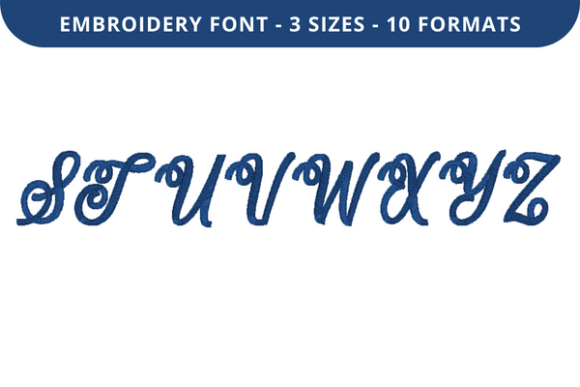
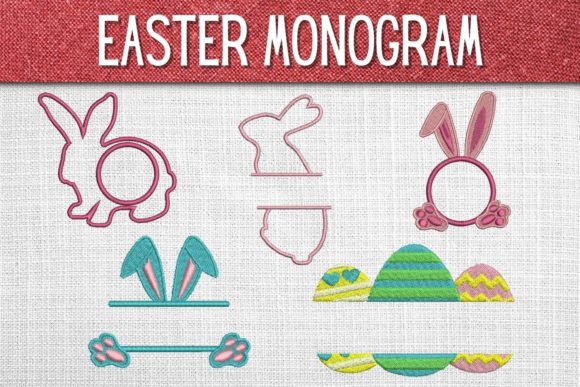
When I first loaded the Easter Monogram into my digitizing software, the immediate impression was one of balanced elegance. The design description promises uniqueness and personalization, which are key selling points for boutique brands. Visually, the monogram structure suggests a classic foundation that can be adapted to feel either rustic or premium depending on the execution. It does not scream "novelty" in a cheap way; instead, it offers a sophisticated framework suitable for high-end branding.
For a bakery, florist, or handmade goods studio, this design feels like a natural fit for spring marketing. It strikes a chord of friendliness without sacrificing the polished look required for brand identity. If you are planning to use this for small business merch, the initial aesthetic suggests that it can elevate a simple tote bag or staff uniform into a cohesive brand statement. However, the true test of any digital embroidery file is how it performs when moved from the screen to the needle.
Real-World Application: From Patches to Uniforms
The versatility of the Easter Monogram makes it a strong contender for various commercial applications. Let us break down how this design translates across different products commonly used by creative entrepreneurs.
Embroidered Patches and Brand Accents
One of the most effective ways to utilize this design is through embroidered patches. Many local businesses prefer patches because they allow for bulk production on a single stabilizer sheet before being applied to garments. The Easter Monogram works exceptionally well here. Its defined lines ensure that even when cut out with a border, the logo remains crisp. You could place these patches on denim jackets, canvas aprons, or the back of hoodies sold at your shop. This creates a collectible element for customers, increasing the perceived value of your finished product.
Staff Uniforms and Apron Embroidery
For cafes and boutiques, consistency is key. Using the Easter Monogram as a chest logo accent on staff shirts or as a detail on the bib of an apron creates immediate visual recognition. When your team wears a unified design, it signals professionalism to the customer. The monogram style is particularly effective on apron embroidery because it is compact enough to fit above a pocket yet large enough to be legible from a few feet away. This subtle branding reinforces your shop's identity every time a customer interacts with your staff.
Cap Embroidery and Tote Bag Design
Curved surfaces present a unique challenge, but the structural integrity of this monogram suggests it will hold up well on caps. As a cap embroidery piece, it serves as a stylish alternative to full-front logos, offering a more understated look for promotional events. Similarly, as a tote bag design, the Easter Monogram adds a touch of class to reusable shopping bags. These bags become walking advertisements for your brand, especially during the Easter season when customers are looking for fresh, seasonal updates.
Critical Considerations for Commercial Use
While the potential is high, experienced designers know that no file is perfect without careful testing. There are specific scenarios where the Easter Monogram requires extra attention to avoid costly mistakes in production.
- Small Patch Sizes: If you intend to shrink this design for tiny labels or small buttonholes, check the detail levels. Intricate flourishes common in monograms can get lost or cause thread bunching if scaled down too aggressively.
- Fabric Texture: On highly textured fabrics like heavy corduroy or thick fleece, the fine details of the monogram might struggle to sit flat. Always test on a swatch of your actual material first.
- Dark Uniforms: While the design likely supports various thread colors, using it on dark uniforms requires careful consideration of the underlay. Without sufficient coverage, the background fabric may show through, diminishing the contrast and readability of the logo.
- High Stitch Density: Some areas of the monogram may have higher stitch density. Ensure your machine settings are adjusted to prevent puckering, especially on stretchy knits used for t-shirts.
Impact on Brand Identity and Customer Trust
Choosing the right design assets is about more than just filling space; it is about communicating value. The Easter Monogram contributes to a narrative of craftsmanship. When a customer sees a well-executed monogram on a product, it subconsciously signals that the brand cares about details. This builds trust and increases buyer engagement.
For handmade brands, this level of customization allows you to offer personalized items, such as adding a customer's initials within the monogram frame. This transforms a standard item into a bespoke gift, significantly boosting the average order value. Furthermore, maintaining visual consistency across your custom apparel, packaging accents, and event merch ensures that your brand is instantly recognizable, whether seen on Instagram or in a physical store.
Practical Designer Notes for Production
Before committing to a full run of merchandise, follow these professional protocols to ensure success with the Easter Monogram:
- Test in Black and White: Run a test stitchout using a single color to verify the flow of the stitches and identify any potential jump issues or tension problems before adding complex color changes.
- Verify Hoop Size: Confirm the hoop size requirements against your available machines. If the design requires a larger hoop than you have, you may need to adjust your workflow or split the design.
- Select the Right Stabilizer: The choice of stabilizer is crucial. For woven fabrics, a tear-away might suffice, but for knits or stretchy materials used in caps, a cut-away stabilizer will provide the necessary support to maintain the shape of the monogram over time.
- Create a Printable Mockup: Before showing clients the physical sample, generate a printable mockup to visualize how the design sits on the final garment. This helps manage client expectations and speeds up the approval process.
- Check Licensing Terms: Since this is a commercial embroidery project, always review the license agreement. Ensure you have the rights to use the embroidery file for unlimited production or the specific number of items you plan to sell.
In conclusion, the Easter Monogram offers a robust foundation for seasonal branding. It bridges the gap between festive cheer and professional presentation, making it a valuable asset for any business looking to enhance their handmade product line or employee uniforms. By respecting the technical limitations and following best practices in digitizing and stitching, you can turn this design into a cornerstone of your spring collection.