Freedom 1776 4th of July Design Review
As a designer who has spent years turning digital files into tangible, stitched goods, I approach every new machine embroidery design with a mix of excitement and skepticism. The market is flooded with generic patterns that look great on a screen but fall apart under the needle. When I first opened the preview for Freedom 1776 4th of July, I was looking for more than just red, white, and blue pixels. I needed to know if this embroidery file could hold up in a real-world production environment, whether for my own craft business or for custom client orders.
The First Impression: Mood and Visual Weight
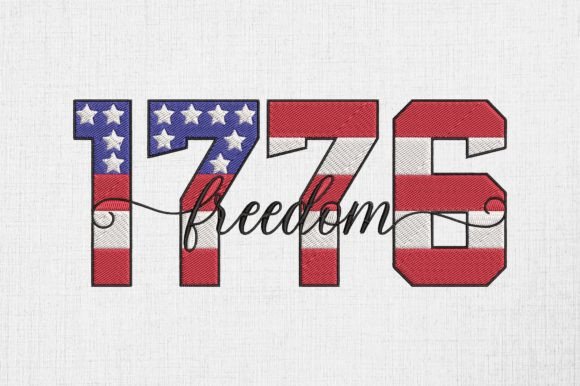
The immediate visual impact of Freedom 1776 4th of July is bold and patriotic without feeling cluttered. In the world of Independence Day decor, it is easy to overdo the details, resulting in a muddy stitch pattern. This design strikes a balance between graphic clarity and festive flair. The layout suggests a strong use of fill stitch for the main elements, likely providing a solid background for any text or smaller motifs included. For a handmade product seller, visual weight matters immensely; you want a design that reads clearly from a few feet away, especially when displayed on a crowded craft fair table or an online storefront.
My initial assessment is that this design carries a classic, timeless personality. It does not feel like a trendy fad that will date quickly. Instead, it feels like a staple asset for a boutique brand. The shape appears versatile enough to sit comfortably on a curved surface like a cap or flat against a structured tote bag. However, before committing to a bulk order, I always analyze how the lines flow. If the design relies heavily on satin stitch for borders, I need to ensure the column width is appropriate for the thread type I plan to use, as overly wide satin columns can pucker on lighter fabrics.
Real-World Application: From Screen to Sweatshirt
Let’s talk about a specific scenario. Imagine I am preparing a line of custom custom apparel for a local boutique launching their summer collection. I have a stack of heavyweight cotton sweatshirts and some canvas tote bag designs ready to go. How would Freedom 1776 4th of July perform here? On a sweatshirt, the texture of the fleece can sometimes swallow intricate details. A design with high contrast and distinct shapes is crucial. Based on the preview, this design seems robust enough to pop against the heather grey or navy fabric common in sweatshirt embroidery.
I envision placing this design on the left chest of a sweatshirt or centered on the back of a tee. The scale appears manageable, meaning it won't require a massive hoop that makes stabilizing a curved garment difficult. For a tote bag design, the durability of the stitch is key. Totes get tossed around, washed, and used daily. If the stitch density is too low, threads might snag on keys or zipper pulls. Conversely, if it is too dense, the heavy stitching could cause the canvas to warp. This is why I always recommend testing a digital embroidery file on scrap fabric first. You need to see how the tension holds up after a wash cycle.
Beyond apparel, consider the potential for home decor. A kitchen towel or a pillow cover featuring Freedom 1776 4th of July could be a bestseller for an Etsy seller targeting holiday shoppers. The design's clean lines suggest it would translate well to linen or cotton blends. For holiday embroidery projects, the ability to create a cohesive look across different product types is vital for brand consistency. If a customer buys a towel and a hat from your shop, they should recognize the quality and style immediately.
Navigating Fabric Challenges and Limitations
While the design looks promising, there are scenarios where caution is required. Not all fabrics play nice with every pattern. If you are attempting this on a thin jersey knit or a stretchy spandex blend, the hoop size becomes critical. Hooping stretchy fabric too tightly can distort the final image, making the patriotic stars or stripes look warped. Always use a cutaway stabilizer for knits to provide the necessary support without adding bulk.
Another area to watch is dark fabric. While the description mentions complementing various items, stitching light colors on dark backgrounds requires precision. If the design includes fine running stitch details or tiny lettering, these can disappear against black or navy blue unless you use a backing or a top layer of applique design techniques. For a personalized gift like a baby item, softness is paramount. Thick, dense stitching can irritate sensitive skin. If using this design for baby embroidery, ensure the back of the stitches is smooth, perhaps by using water-soluble topping or adjusting the machine tension.
Curved surfaces, such as baseball caps, present their own challenges. The design must be mapped correctly to avoid distortion at the seams. If the Freedom 1776 4th of July pattern is tall and narrow, it might work well on a cap front, but if it is wide, it could wrap awkwardly around the crown. Always visualize the finished product on the actual item before running the machine.
Maximizing Value for Your Craft Business
For small business owners and creative entrepreneurs, the value of a design lies in its versatility and professional finish. A high-quality commercial embroidery asset like this one can elevate a simple t-shirt into a premium product. Customers today expect crisp, professional results. If the stitching is loose, the colors bleed, or the design looks pixelated, it damages customer trust and your reputation.
When creating printable mockups for your website, remember that the screen representation is only a promise. The reality depends on your execution. Use proper lighting and high-resolution photos of your actual finished product to show buyers what they are getting. Highlight the texture of the thread and the depth of the fill stitch. This transparency builds engagement and reduces returns.
Before listing this design in your shop, verify the licensing terms. Some design assets are for personal use only, while others allow for commercial sales of finished goods. Ensure you have the right to sell items made with Freedom 1776 4th of July to avoid legal issues down the road. Also, check the available embroidery file formats to ensure compatibility with your specific machine software.
Final Designer Notes for Success
To get the most out of this project, follow these practical steps:
- Test on Scrap: Never skip the test run. Stitch the design on a piece of the exact fabric you plan to use to check tension and placement.
- Check Contrast: Ensure the thread colors stand out against the fabric. A subtle difference can make the design look unfinished.
- Inspect Density: Look for areas where stitches might bunch up. Adjust your machine settings if necessary to prevent puckering.
- Verify Hoop Size: Confirm that the design fits within your largest hoop without needing to split the design, which can lead to alignment errors.
- Mockup Variations: Test the design on both light and dark backgrounds digitally to see how it translates before purchasing thread.
In conclusion, Freedom 1776 4th of July presents a strong opportunity for designers looking to add a patriotic touch to their catalog. Its balanced composition and clear lines make it suitable for a wide range of applications, from embroidered patch creations to full-garment branding. By approaching the project with careful preparation and attention to fabric mechanics, you can create a small shop product that stands out for its quality and craftsmanship. Whether you are a hobbyist making gifts or a professional decorator fulfilling large orders, the success of the project ultimately rests on how well you adapt the design to your materials and machine capabilities.