Duck on Water: A Boutique Sweatshirt Design Review
As an embroidery designer who has spent years refining the look and feel of custom apparel, I approach every new machine embroidery design with a critical eye. When I first opened the file for Duck on Water, I wasn't just looking at pixels; I was visualizing how this Birds category piece would translate onto premium fabric for a limited sweatshirt drop. The goal for our upcoming boutique collection is to balance playfulness with high-end craftsmanship, and this design promises to be a standout contender.
First Impressions: Mood and Layout Analysis
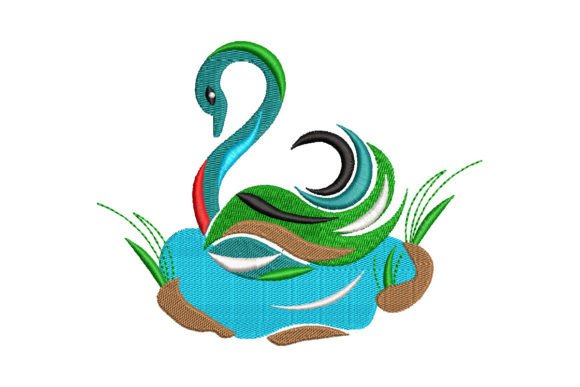
The initial view of Duck on Water suggests a whimsical yet grounded aesthetic. Unlike many generic embroidery files that rely on heavy outlining or excessive shading, this design leans into a cleaner, more illustrative style. The layout feels balanced, making it versatile enough for both casual streetwear and slightly more curated lifestyle brands. For a boutique brand aiming to project a cozy, approachable image, the mood here is spot-on. It evokes a sense of calm and nature without feeling overly rustic or cluttered.
When evaluating the detail level, I noticed that the stitching personality is distinct. The curves of the duck and the implied ripples in the water are rendered with enough definition to hold up well, but not so much that they risk becoming muddy on thick fleece. This is a crucial factor when moving from a digital preview to a finished product. The design avoids the "busy" trap often seen in complex animal motifs, ensuring that even at smaller scales, the silhouette remains recognizable.
Visualizing Duck on Water on Premium Sweatshirts
One of the most exciting aspects of this review is imagining how Duck on Water interacts with different fabric textures and colors. For our neutral sweatshirt line—think heather grey, oatmeal, and soft black—this design offers excellent contrast potential. On a dark charcoal hoodie, using bright teal or orange thread colors for the duck would make the design pop, creating a bold statement piece that draws immediate attention. Conversely, on pastel-colored fabrics like sage green or dusty rose, a tonal embroidery approach could yield a sophisticated, understated look perfect for a feminine or minimal brand identity.
Placement is another key consideration. While a standard chest placement works beautifully for branding, I see immense potential for sleeve accents or even larger back designs on oversized hoodies. The simplicity of the motif allows it to scale effectively without losing integrity. For Etsy sellers and small shop owners, offering variations in placement can significantly increase the perceived value of a single design asset. A customer might buy one sweatshirt with a subtle left-chest logo and another as a gift with a large, centered back print, maximizing the utility of the digital embroidery file.
Thread Color Contrast and Fabric Texture
When planning the production run, the interplay between thread colors and fabric texture becomes paramount. Sweatshirts have a looped pile that can sometimes swallow fine details if the stitch density isn't managed correctly. With Duck on Water, the open areas of the design allow the fabric to show through, which is beneficial for breathability and reducing bulk. However, I recommend testing the stitch density on a scrap piece of the actual garment fabric before committing to a full run. If the design is too dense, it may cause puckering on the front of the sweatshirt, ruining the premium feel we are striving for.
Furthermore, the choice of stabilizer cannot be overlooked. Given the thickness of a typical hoodie material, a cutaway stabilizer is likely necessary to support the weight of the threads, especially if we plan to use multiple layers of color. Proper stabilization ensures that the commercial embroidery looks crisp after washing and maintains its shape over time. Neglecting this step can lead to a sloppy appearance that undermines the quality of the entire collection.
Practical Designer Concerns for Production
Before finalizing the order for our boutique drop, there are several practical hurdles to clear. First, we must verify the hoop size requirements. If the design is intended for a sleeve accent, it must fit comfortably within a 4x4 hoop without requiring awkward re-hooping, which can misalign the pattern. Second, readability at small sizes is a concern. While the design looks great at 6 inches wide, does it still read clearly at 3 inches? For a small shop product where consistency is key, we need to ensure that the duck's features remain distinct even when scaled down for pocket placement.
Washing durability is another non-negotiable factor. Customers expect their handmade products to last. We need to confirm that the stitch count and tension settings used in the embroidery file will withstand repeated machine washes without fraying or fading. High-quality thread and proper backing are essential here. Additionally, checking the exact stitch count and file format compatibility with your specific machine is vital. Not all machines handle complex fills or underlays the same way, so a test run is always recommended to avoid costly mistakes during production.
Impact on Brand Identity and Customer Engagement
Incorporating Duck on Water into our lineup does more than just add a graphic; it strengthens our brand identity. In a market saturated with generic prints, a well-executed embroidered design signals quality and care. It tells the customer that this is a thoughtful, handmade product created by artisans who understand the nuances of textile art. This perception builds buyer trust and encourages higher engagement on social media platforms where visual appeal drives sales.
For Etsy sellers and creative entrepreneurs, the ability to showcase unique design assets like this can differentiate a store from competitors. High-quality mockup previews featuring Duck on Water on various sweatshirt styles can serve as powerful marketing tools. These images help customers visualize the hoodie design in real life, increasing conversion rates. Whether you are targeting outdoor enthusiasts, nature lovers, or those who appreciate quirky, cute aesthetics, this design has the versatility to appeal to a broad demographic while maintaining a niche charm.
Final Verdict: Is It Ready for Your Collection?
After a thorough evaluation, Duck on Water stands out as a strong candidate for any small clothing brand looking to elevate their apparel decorators portfolio. Its blend of simplicity and character makes it ideal for seasonal drops, particularly for autumn and winter collections where cozy, nature-inspired themes resonate. The design feels premium yet accessible, striking the right balance between decorative flair and commercial viability.
However, success lies in the execution. Ensure you have the correct stabilizer, test your thread colors against your fabric choices, and validate the stitch density before mass production. By paying attention to these details, you can transform this machine embroidery design into a best-selling item that defines your brand's aesthetic. For anyone ready to take their custom apparel game to the next level, Duck on Water is a design worth exploring.