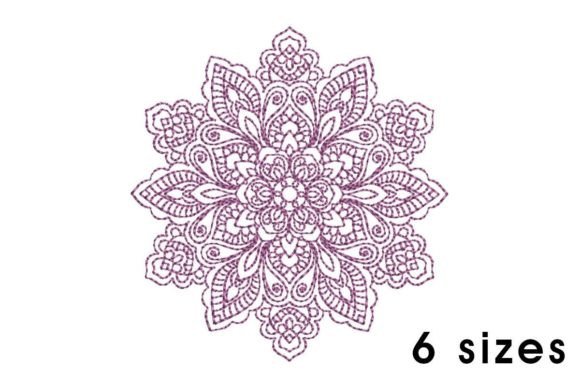
Reviewing the Mandala Pattern Embroidery Design
As a professional embroidery designer who has spent years turning digital files into tangible, high-quality goods, I approach every new machine embroidery design with a mix of excitement and caution. The market is flooded with assets, but finding one that truly translates from screen to fabric without headaches is rare. Recently, I downloaded the Mandala Pattern from Creative Fabrica to test its viability for an upcoming line of custom apparel and home decor items. This review details my honest experience evaluating this embroidery file for real-world commercial use.
First Impressions: Visual Mood and Stitch Personality
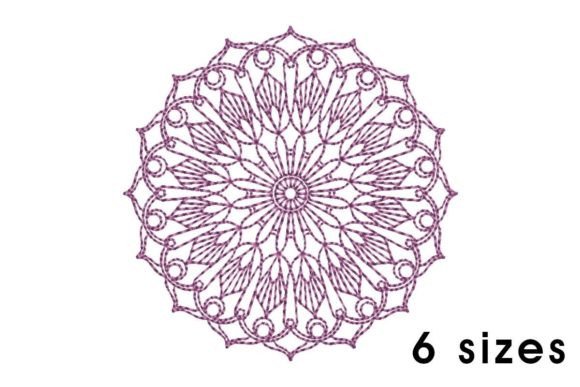
Upon opening the Mandala Pattern, the first thing that strikes you is the symmetry and intricate detail inherent in the mandala style. Visually, it exudes a sense of calm and balance, making it an excellent candidate for projects requiring a decorative yet grounded aesthetic. For designers looking to add a touch of bohemian elegance or spiritual warmth to their brand, this design offers immediate appeal. The lines are crisp, and the geometric flow suggests a balanced distribution of fill stitch and satin stitch, which is crucial for preventing puckering on finished products.
The visual mood is versatile enough to fit various niches. It feels at home on a cozy nursery blanket just as well as it does on a modern kitchen towel. However, the true test lies not in how it looks on a monitor, but in how it behaves under the needle. As a Creative Fabrica embroidery user, I appreciate designs that promise quality, and the description notes that all files are tested prior to release. This assurance is vital when you are planning to sell your work on platforms like Etsy or at craft fairs, where consistency is key to building buyer trust.
Performance on Real-World Projects
To truly evaluate the Mandala Pattern, I considered several practical applications ranging from custom apparel to home textiles. One of the most promising uses I identified was for tote bag design. The circular nature of the mandala works beautifully centered on a canvas tote, creating a focal point that draws the eye without overwhelming the item. Similarly, for sweatshirt embroidery, placing this design on the back or chest pocket area adds a unique flair that elevates a basic garment into a boutique piece.
I also explored its potential for smaller items like caps and patches. While mandalas can be dense, the structure of this specific pattern seems manageable for an embroidered patch if the scale is adjusted correctly. For nursery decor, such as pillow covers or baby blankets, the soft curves of the design offer a gentle aesthetic that parents love. In the realm of handmade gifts, this digital embroidery file provides a sophisticated look that feels far more personal than mass-produced alternatives. Whether you are creating seasonal handmade gifts or expanding your inventory of commercial embroidery products, the versatility of the Mandala Pattern is a significant asset.
Navigating Fabric and Hoop Challenges
Despite its beauty, working with intricate patterns requires careful attention to technical details. When using the Mandala Pattern on stretchy fabrics like those found in sweatshirts or knit aprons, the risk of distortion increases. It is imperative to use the correct stabilizer to support the stitch density. Without adequate backing, the tension required for the detailed inner rings of the mandala could cause the fabric to pucker, ruining the presentation of the finished product.
Furthermore, consider the hoop size limitations. If you are working with a small hoop, ensure the design fits comfortably without needing to re-hoop in the middle of a critical section, which can lead to misalignment. For dark fabrics, the contrast of the thread colors becomes paramount. A white or light-colored thread will make the details pop, but you must ensure the stitch density is sufficient to cover the background completely. On textured fabrics like towels, the running stitch elements might behave differently than on smooth cotton, so testing is non-negotiable.
Practical Steps for Professional Results
Before committing the Mandala Pattern to a paid customer order, I always follow a strict protocol. First, run a test on scrap fabric that matches the weight and texture of your final material. This step allows you to inspect small details after stitching and verify that no threads are breaking or looping excessively. Check the thread color contrast carefully; sometimes a design that looks perfect digitally needs a different thread shade to maintain definition on physical fabric.
Review the stitch density settings on your machine. Intricate mandalas often have tight areas where the needle hits the same spot repeatedly. If the density is too high, it can create hard spots on the fabric. Conversely, if it is too low, the underlying fabric may show through, diminishing the premium feel of your handmade product. Always compare light and dark fabric mockups before finalizing your color palette. These mockups help you visualize how the design will appear in different lighting conditions, which is essential for accurate product photography and managing customer expectations.
Impact on Brand Value and Commercial Viability
Using a high-quality design like the Mandala Pattern directly influences the perceived value of your business. In the competitive world of Etsy sellers and small business owners, the difference between a generic design and a well-executed, intricate pattern can determine whether a customer clicks "add to cart." This design enhances the visual appeal of your listings and contributes to a cohesive brand identity. When customers see a professionally embroidered item with clean lines and balanced details, their trust in your craftsmanship grows.
For creative entrepreneurs selling design assets or offering personalized services, having reliable files is essential. The Mandala Pattern supports a wide range of product categories, from kitchen towels to personalized gifts. Its ability to elevate simple items into statement pieces makes it a valuable addition to any portfolio. However, remember that while the file is tested, any alteration you make to the design may affect the output. Always respect the integrity of the original file to ensure the best results.
Final Thoughts on Licensing and Usage
As you prepare to integrate the Mandala Pattern into your business, take a moment to confirm the file details and licensing on the Creative Fabrica product page. Understanding the terms regarding commercial embroidery is critical. Ensure you have the rights to sell finished items created with this design, especially if you plan to produce large batches for boutiques or wholesale. Do not assume; verify the license type to protect your business and maintain good standing within the creative community.
In conclusion, the Mandala Pattern is a strong contender for designers seeking a blend of artistry and functionality. It offers the decorative appeal needed for standout home decor and apparel decorators alike. By following best practices—testing on scraps, choosing the right stabilizer, and respecting the design's structural integrity—you can create stunning, high-value products. Whether you are crafting a single personalized gift or launching a new collection of printable mockup ready items, this design has the potential to become a staple in your creative toolkit.