Winged Flying Star: A Designer's Practical Review
As a designer who has spent years curating machine embroidery designs for both personal passion projects and commercial client work, I approach every new file with a mix of excitement and skepticism. The market is flooded with generic motifs, so finding a piece that truly translates well from the screen to the fabric requires a critical eye. Recently, I evaluated the Winged Flying Star, a celestial design described as a whimsical representation of a shooting star soaring above the clouds. While the category listing places it under Robots, which initially felt like a categorization oddity, the visual execution suggests a broader appeal that transcends strict thematic boxes. This review breaks down how this specific embroidery project performs in real-world scenarios, helping you decide if it belongs in your digital library or on your next handmade product.
First Impressions: Whimsy Meets Structure
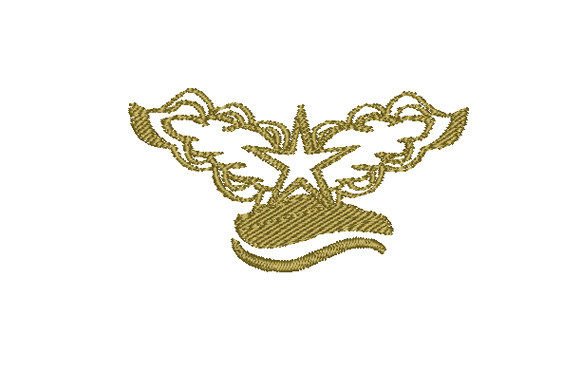
The first thing that strikes you about the Winged Flying Star is its balance between movement and stability. It is not just a static icon; the wings suggest flight, while the clouds provide a grounded base. For an Etsy seller or a small shop owner looking to add seasonal flair, this design hits a sweet spot. It feels appropriate for space fun and seasonal meteor showers, yet it remains general enough for year-round use. The visual personality is friendly rather than aggressive, making it an excellent candidate for custom apparel where the wearer wants to express a sense of wonder without being overly loud.
When reviewing the layout, I noticed the interplay between the fill stitch areas and the potential for satin stitch outlines. In a high-resolution preview, the wings appear to have enough definition to hold their shape even when stitched on textured fabrics. However, the true test lies in how the stitch density manages the transition between the star and the clouds. If the density is too low, the clouds might look patchy; too high, and the fabric could pucker. As a professional, I always advise checking the embroidery file specifications before committing to a large run, but the initial geometry looks promising for a variety of applications.
Real-World Application: From Tote Bags to Nursery Decor
Let’s talk about a specific scenario. Imagine you are preparing a custom embroidered tote bag for a craft fair booth. You need a design that pops against canvas but doesn't overwhelm the bag's utility. The Winged Flying Star works beautifully here. Placed centrally on a natural-colored canvas, the celestial theme elevates a simple accessory into a statement piece. The whimsical nature of the design makes it instantly recognizable as a personalized gift for someone who loves astronomy or simply enjoys magical realism.
I also see strong potential for baby embroidery. Parents often seek unique designs for nursery decor, onesies, or receiving blankets. Unlike traditional stars that can feel cliché, the addition of wings gives this motif a storybook quality. Stitching this onto a soft cotton pillow cover or a flannel blanket adds a layer of warmth and charm. The design is versatile enough to be used as a standalone embroidered patch on a denim jacket or integrated directly into the garment as part of a larger commercial embroidery collection. For boutique branding, this digital embroidery file offers a distinct aesthetic that separates your brand from competitors relying on standard geometric shapes.
Navigating Fabric Challenges and Technical Nuances
While the design is robust, experienced decorators know that no machine embroidery design is universally perfect without adjustments. There are specific situations where the Winged Flying Star requires careful handling. On thin or stretchy fabrics like jersey knit, the weight of the fill stitch in the cloud sections could cause distortion. I strongly recommend using a heavy-duty tear-away or cut-away stabilizer to maintain the integrity of the shape. Without proper support, the delicate wing details might lose their crispness.
Similarly, dark fabrics present a challenge for light-colored thread combinations. If you plan to use white or pastel thread colors for the star and clouds, ensure the background fabric isn't so dark that it swallows the detail. Testing the design on scrap fabric first is non-negotiable. Check how the running stitch elements define the edges against the fill. On curved surfaces like caps, the placement becomes critical. The wings might get distorted if the cap panel is too narrow, so verifying the hoop size compatibility is essential before you start stitching.
Another consideration is the frequency of washing. Products like kitchen towels or aprons undergo rigorous cleaning cycles. Dense stitch density can sometimes lead to cracking or fraying over time if the thread tension isn't perfectly calibrated. For items that will be washed frequently, consider reducing the density slightly or choosing a more durable thread type. Always inspect small details in the finished product after a wash cycle to ensure longevity.
Strategic Value for Craft Businesses
For the creative entrepreneur, the value of a design like Winged Flying Star extends beyond the physical stitches. It influences customer trust and brand consistency. When a buyer sees a clean, well-executed handmade product, they associate that quality with your entire shop. This design, with its clear lines and balanced composition, contributes to a professional presentation. It signals that you care about the details, from the choice of fabric texture to the precision of the needlework.
In the context of digital product sellers, offering this as a downloadable asset can be lucrative. Crafters love designs that offer versatility. Whether they want to create a holiday card, a holiday embroidery ornament, or a unique label for their own products, the Winged Flying Star provides a flexible foundation. However, always confirm licensing terms before selling finished items or reselling the digital embroidery file. Understanding the rights associated with the design protects your business and maintains ethical standards within the crafting community.
Final Thoughts on Design Assets
Ultimately, the Winged Flying Star is a solid addition to any designer's toolkit. It bridges the gap between whimsical art and practical application. Whether you are creating a sweatshirt embroidery for a local band, a personalized gift for a friend, or a line of small shop products, this design holds up under scrutiny. By taking the time to test it on different materials, adjusting your stabilizer strategy, and ensuring your thread colors complement the fabric, you can maximize its visual appeal.
Remember, the best embroidery project is one that respects the limitations of the medium while pushing creative boundaries. This celestial motif invites you to do exactly that. So, load your hoop, check your settings, and let the wings take flight. Your customers—and your own portfolio—will thank you for the attention to detail.