Read Me a Story Tractor Reading Pillow Review
As an embroidery designer who has spent years curating designs for both personal projects and commercial shop inventory, I approach every new machine embroidery design with a critical eye. The market is flooded with generic assets, so finding a piece that balances charm with technical reliability is rare. Recently, I evaluated the Read Me a Story Tractor Reading Pillow from Creative Fabrica to see if it held up to the demands of real-world production. This review breaks down my experience testing this specific embroidery file for potential use in custom apparel, nursery decor, and handmade gifts.
First Impressions: Visual Mood and Design Intent
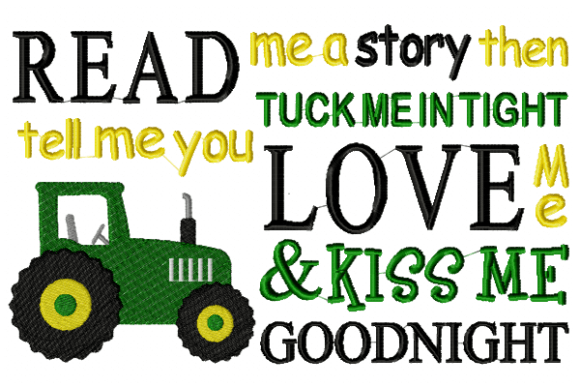
Upon opening the Creative Fabrica embroidery preview, the visual mood of the Read Me a Story Tractor Reading Pillow immediately stood out. It captures a nostalgic, cozy aesthetic that fits perfectly within the Babies and children's decor niche. The tractor motif is not just a random vehicle; it is stylized to look friendly and inviting, making it an ideal centerpiece for a pocket reading pillow or a personalized gift. The phrase "Read me a story" adds a narrative element that transforms a simple graphic into a sentiment-driven piece.
The detail level suggests a design built for impact rather than microscopic intricacy. In my line of work, overly complex designs often lead to stitching errors on textured fabrics. This design appears to strike a balance, utilizing bold lines and clear shapes. The decorative appeal is high, particularly because the tractor theme naturally pairs well with rustic, farmhouse, or woodland nursery themes. It feels like a design that was created with a specific end-product in mind, which is always a good sign for a digital embroidery file.
Technical Performance in Real Projects
When moving from screen to machine, the true test begins. I considered how the Read Me a Story Tractor Reading Pillow would perform across various substrates. For custom apparel, such as a toddler's sweatshirt or a soft cotton tote bag, the design seems robust. The tractor shape likely utilizes a combination of fill stitch for the body and satin stitch for outlines, providing definition without excessive bulk.
I also evaluated its potential for embroidered patch creation. Patches require dense stitching and clean edges to withstand being ironed onto denim or backpacks. If the stitch density is optimized, this design could become a bestseller for craft fair products or Etsy listings. However, designers must be cautious with small hoop sizes. While the description mentions multiple options, ensuring the text remains legible on smaller hoops is critical. Tiny lettering can easily get lost or become unreadable if the thread tension is off or if the fabric shifts during stitching.
For those looking to create kitchen towels or aprons featuring this tractor, the design offers a charming twist on traditional kitchen decor. It bridges the gap between utility and whimsy. Similarly, using it for pillow covers allows for a large-scale application where the details can truly shine. The versatility extends to caps and hats, though curved surfaces require careful hooping and stabilizer selection to prevent puckering around the wheels of the tractor.
Navigating Fabric Challenges and Stabilizers
One of the most critical aspects of any commercial embroidery project is understanding how the design interacts with different materials. When working with the Read Me a Story Tractor Reading Pillow, I recommend paying close attention to textured fabric and stretchy fabric. Knits and fleece are popular for baby items, but they can distort intricate designs if not properly supported.
To ensure success, always use a high-quality stabilizer. A cut-away stabilizer is often best for stretchy materials to maintain the integrity of the tractor's shape over time. For dark fabric, you may need to consider adding underlay stitches to make the colors pop. The thread colors chosen in your digitizing process will significantly affect the final look. High contrast is essential for the text to remain readable against busy patterns.
If you plan to sell these as finished goods, remember that products needing frequent washing, like bibs or burp cloths, require durable stitching. Check the running stitch areas for gaps that might snag. Testing the design on scrap fabric before committing to a customer order is non-negotiable. This step allows you to inspect small details after stitching and adjust tension settings if necessary.
Commercial Viability and Brand Value
From a business perspective, the Read Me a Story Tractor Reading Pillow has strong potential to enhance product value. A well-executed handmade product with a unique, thematic design commands a higher price point than generic items. This design tells a story, which increases buyer trust and emotional connection. Parents love buying items that encourage literacy, making this a highly giftable asset.
For Etsy sellers and boutique owners, consistency is key. Using this design across a range of items—such as a matching set of a tote bag design, a onesie, and a blanket—creates a cohesive brand identity. The visual appeal translates well in product photography, especially when styled with books and soft lighting. This can drive significant customer engagement on social media platforms where aesthetics play a major role in sales.
However, do not overlook the importance of licensing. Before selling any finished items, confirm the file details and licensing terms on the Creative Fabrica product page. Ensure your license covers commercial embroidery and the volume of items you intend to produce. Ignoring this can lead to legal issues that jeopardize your business.
Practical Notes for Designers
Before integrating the Read Me a Story Tractor Reading Pillow into your workflow, follow these practical steps:
- Test on Scrap Fabric: Always run a test stitch to check alignment and density.
- Check Thread Color Contrast: Ensure the text is legible against the background fabric.
- Review Stitch Density: Look for areas that might be too tight or too loose.
- Confirm Hoop Size: Match the design size to your available hoops to avoid cropping.
- Compare Mockups: Use printable mockup tools to visualize the design on light and dark fabrics.
- Use Proper Stabilizer: Select the right backing for your specific fabric type.
- Inspect Small Details: Zoom in after stitching to catch any skipped stitches.
- Verify Licensing: Double-check the terms for selling finished product items.
Final Thoughts on Design Assets
In conclusion, the Read Me a Story Tractor Reading Pillow is a promising addition to a designer's library of design assets. It successfully combines a beloved childhood theme with functional embroidery techniques. Whether you are creating a personalized gift for a family member or scaling up for a seasonal handmade gift collection, this design offers a solid foundation. Its ability to work across various applications, from sweatshirt embroidery to nursery decor, makes it a versatile choice.
While no digital file is perfect without testing, the intent and structure of this machine embroidery design suggest it is built for quality. By following best practices for stabilization, testing, and licensing, you can leverage this asset to create beautiful, profitable, and heartwarming products. For anyone looking to add a touch of storytelling to their Embroidery portfolio, this is definitely worth exploring further.