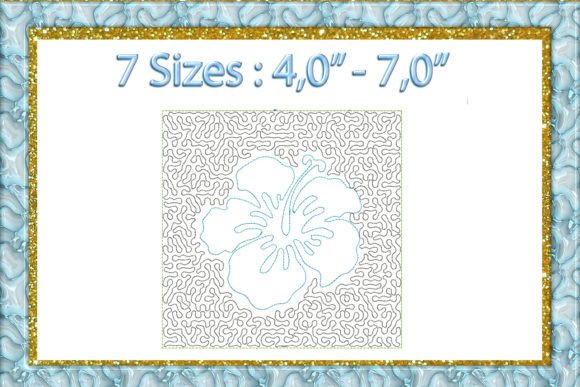
Flower Quilting Pattern: A Craft Fair Review
As I set up my table for the upcoming weekend craft fair, the pressure to curate a collection that stops shoppers in their tracks is immense. The difference between a booth that gets ignored and one that sells out often comes down to the visual impact of the Flower Quilting Pattern. As an experienced embroidery designer who has spent years turning digital files into profitable handmade goods, I am currently evaluating this specific machine embroidery design to see if it deserves a spot in my production queue. This review isn't just about aesthetics; it is a practical assessment of how this design translates from a screen to a physical product that customers want to buy.
First Impressions: The Farmhouse Elegance Factor
When I first opened the file for the Flower Quilting Pattern, the immediate impression was one of soft, rustic charm with a touch of elegance. It does not scream "modern minimalism" nor does it feel overly busy or chaotic. Instead, it occupies that sweet spot of farmhouse decor that remains perpetually popular at local markets and online shops. The floral elements are distinct enough to be recognized instantly but detailed enough to suggest high-quality craftsmanship. For a craft fair product, this balance is crucial. Shoppers scanning a table full of tote bags and aprons need to understand the design within seconds. The Flower Quilting Pattern achieves this by offering a clear silhouette that pops against various fabric backgrounds, making it a strong contender for a small shop product line.
Product Performance Across Your Booth Display
The true test of any embroidery file is its versatility across different substrates. Here is how the Flower Quilting Pattern performs on the items I plan to feature:
- Tote Bags and Market Bags: On canvas tote bags, this design shines as a large focal point. The organic lines of the flowers complement the sturdy texture of the canvas, creating a durable and stylish carry-all. It transforms a plain utility bag into a premium gift item.
- Apron Embroidery: Placing the Flower Quilting Pattern on the bib of a linen apron creates an instant classic look. It feels personal and artisanal, appealing to home cooks and gardeners browsing the Sewing and crafting sections of the market.
- Tea Towel Embroidery: Kitchen linens are a staple for handmade sellers. The pattern works beautifully here, adding a decorative flourish that elevates a simple towel into a giftable piece. The design holds its shape well even when the fabric is slightly wrinkled from washing.
- Pillow Covers and Bed Sheets: As suggested in the product description, renewing fabrics like pillow cushions and bed sheets is where this design truly excels. It acts as a sophisticated accent that can refresh old linens or add character to new ones without overwhelming the space.
- Embroidered Patches and Caps: For smaller applications, the Flower Quilting Pattern can be scaled down to create patches for denim jackets or caps. However, care must be taken to ensure the details remain crisp on curved surfaces.
Production Realities: Stitch Density and Fabric Texture
While the design looks promising on the screen, the reality of production requires a critical eye. One of the most important factors for any Etsy seller or boutique maker is stitch density. If the Flower Quilting Pattern is too dense, it can pucker thin fabrics like tea towels or stretchy jersey materials used for caps. Conversely, if it is too sparse, the design may lack the weight needed to stand out on thick textures like denim or heavy canvas.
I recommend testing the design on scrap fabric before committing to a full batch. Check the thread colors to ensure they provide enough contrast against your chosen background. A light pastel flower on a white towel might get lost, whereas a bold colorway will grab attention immediately. Additionally, pay close attention to the stabilizer you use. For textured items like kitchen towels, a cutaway stabilizer might be necessary to prevent puckering, while tear-away could suffice for stiffer fabrics. Always confirm the hoop size required for the design assets to ensure your machine can handle the layout without constant re-hooping, which disrupts workflow during busy production days.
Selling Power: Visual Appeal and Brand Consistency
In the competitive world of commercial embroidery, consistency is key. The Flower Quilting Pattern offers a cohesive look that can tie together a diverse range of products. When displayed together—perhaps a matching set of a tote bag, an apron, and a pillow cover—the design reinforces your brand identity. It signals to the customer that you offer a curated, thoughtful collection rather than random assortments.
For online listings, such as those on Etsy, photography is everything. This design photographs exceptionally well because the floral motifs catch the light and show off the texture of the stitching. A high-quality printable mockup featuring the Flower Quilting Pattern on a lifestyle setting can significantly increase conversion rates. Customers buying digital files or finished products want to visualize the end result, and this design provides a clear, attractive vision.
Practical Designer Notes for Success
To maximize the potential of this machine embroidery design, keep these professional tips in mind:
- Test Before You Sell: Never skip the test run on the actual fabric you intend to use. Fabric texture varies wildly, and what looks good on cotton might struggle on velvet or fleece.
- Check Clarity at Small Sizes: While the design is beautiful large, shrinking it for small pouches or hat accents can lead to loss of detail. Ensure the smallest elements do not merge into a blob of thread.
- Commercial Licensing: Before listing any finished product for sale, verify the licensing terms of the embroidery file. Ensure you have the right to sell items made with this design commercially.
- Color Coordination: Experiment with thread colors to match seasonal trends. A red and green version might sell well in winter, while pastels dominate spring craft fairs.
- Batch Production Efficiency: Evaluate how easy it is to hoop multiple items at once. Designs that require frequent adjustments slow down production and reduce profit margins.
The Flower Quilting Pattern is more than just a digital file; it is a tool for building a successful handmade business. Its ability to adapt to various products, from clothing to home decor, makes it a valuable asset for creative entrepreneurs. By understanding its strengths and limitations, you can produce high-quality items that stand out in a crowded market. Whether you are preparing for a weekend craft fair or stocking your online shop, this design offers the perfect blend of beauty and practicality to drive sales and delight customers.